
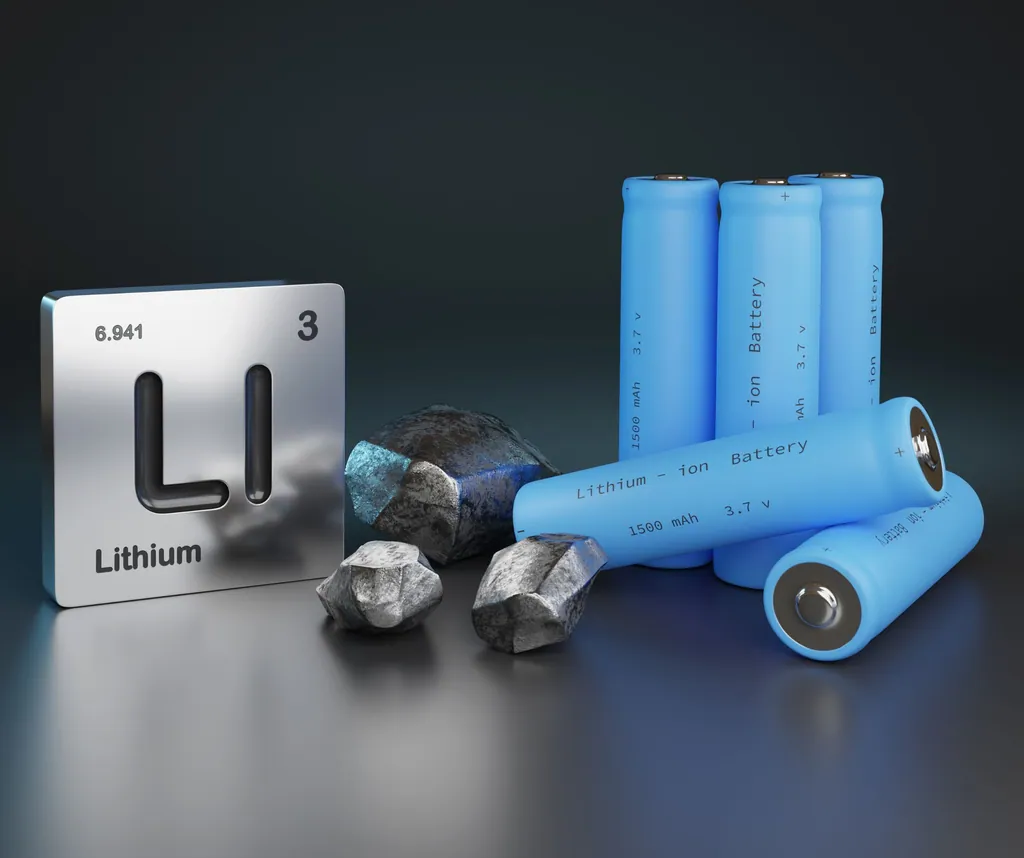
Lithium-ion batteries have gained popularity in the industry due to their superior performance compared to lead acid batteries. However, when using lithium batteries, it is essential to understand the risks and safety considerations associated with their use and proper handling. In this guide, we will explore the key aspects to ensure the safety of lithium-ion batteries.
Battery Electrolyte: Risks and Considerations
The electrolyte is a crucial part of the lithium-ion battery as it acts as a catalyst to conduct electricity. Unlike lead acid batteries, lithium batteries do not require water maintenance because their electrolytes are permanently sealed within the cells. However, it is essential to know the composition of electrolytes and their associated risks.
The electrolyte of lithium-ion battery generally consists of various organic carbonates. While not corrosive or toxic like the sulfuric acid in lead acid batteries, the electrolytes in lithium-ion batteries can be flammable and react violently if exposed to high temperatures or a short circuit. Therefore, it is crucial to handle lithium batteries with caution and avoid situations that could cause thermal runaway.
Battery Charging Risks
Charging batteries also carries specific risks that must be considered and that make the difference between the use of traditional or lithium batteries. Unlike lead acid batteries that require periodic charging maintenance, lithium batteries do not require occasional charging and can remain inside the equipment during charging.
When improperly charged, lead acid batteries can generate hydrogen and oxygen gases, requiring a properly ventilated charging station. Otherwise, overloads or situations could occur that could trigger thermal runaway.
Lithium batteries have a huge advantage in this regard, since keeping the battery inside the equipment makes the charging process safer and more efficient.
What is thermal runaway and why is it dangerous?
Thermal runaway is a chain reaction of temperature rise that occurs in an overheated battery, which can be highly dangerous. Batteries of all types can be susceptible to thermal runaway if they are exposed to extreme temperatures or if they suffer physical or electrical damage.Thermal runaway in lithium batteries can lead to an uncontrolled exothermic reaction, generating more heat and releasing flammable gases. If not properly controlled, this can result in combustion and possible explosion. That is why having a Battery Management System (BMS) is essential to monitor and prevent overheating situations and minimize the risks associated with thermal runaway.
The importance of the BMS to prevent risks
The mentioned BMS is an essential part of lithium-ion batteries and acts as the "brain" of the battery. This type of system monitors and controls the status of each battery cell, balances charge and discharge, and prevents dangerous situations such as overcharging or deep discharge.
The BMS is also capable of disconnecting the battery in the event of overheating or detecting abnormal conditions, thus preventing the spread of thermal runaway and reducing safety risks. The presence of a high-quality, well-designed BMS is essential to ensure optimal performance and safety of lithium-ion batteries.
Safe Battery Disposal
Safe disposal of end-of-life batteries is an important aspect of risk management and environmental sustainability. Unlike lead acid batteries, which contain toxic materials and can pollute the environment if not disposed of properly, lithium-ion batteries generally pose no active risks to the environment when disposed of in landfills.
However, it is important to follow federal regulations to ensure responsible disposal and recycling of lithium-ion batteries. Although there is still a lot of regulation to be done in such a new market, there are already many manufacturers that offer recycling and replacement options for batteries at the end of their useful life, which allows for proper management of these products.
Safety certifications
When selecting lithium-ion batteries, it is essential to look for safety certifications such as R100.2 certification. Batteries that have this certification have undergone rigorous safety testing and meet national safety standards.
NCPOWER batteries comply with Certification R100.2 and therefore have been tested for simulated mishandling or damage conditions and meet established safety requirements. This certification is essential to minimize the risks associated with the use of lithium-ion batteries in industrial applications.
The longer the battery life, the smaller the footprintThe lifespan of a lithium-ion battery is a crucial factor to consider when evaluating its overall environmental impact. Unlike lead acid batteries, which have a limited lifespan, lithium batteries can last up to twice as long, reducing the need for replacement and minimizing the environmental footprint.
It is important to consider battery life in charge cycles, as greater durability means fewer resources used and less waste generated. By choosing high-quality lithium batteries with a long lifespan, you contribute to a more sustainable and responsible approach to energy use.
Conclusion
In summary, the safety of lithium-ion batteries is a fundamental aspect to ensure the safe and efficient operation of industrial equipment.
Understanding the risks associated with electrolyte, charging and potential thermal runaway, as well as having a suitable BMS, are important steps to minimize risks and ensure protection of workers and the environment.
By seeking UL Safety Certification and practicing safe disposal, you can contribute to a more sustainable and safer approach to the use of lithium-ion batteries in industrial applications.