
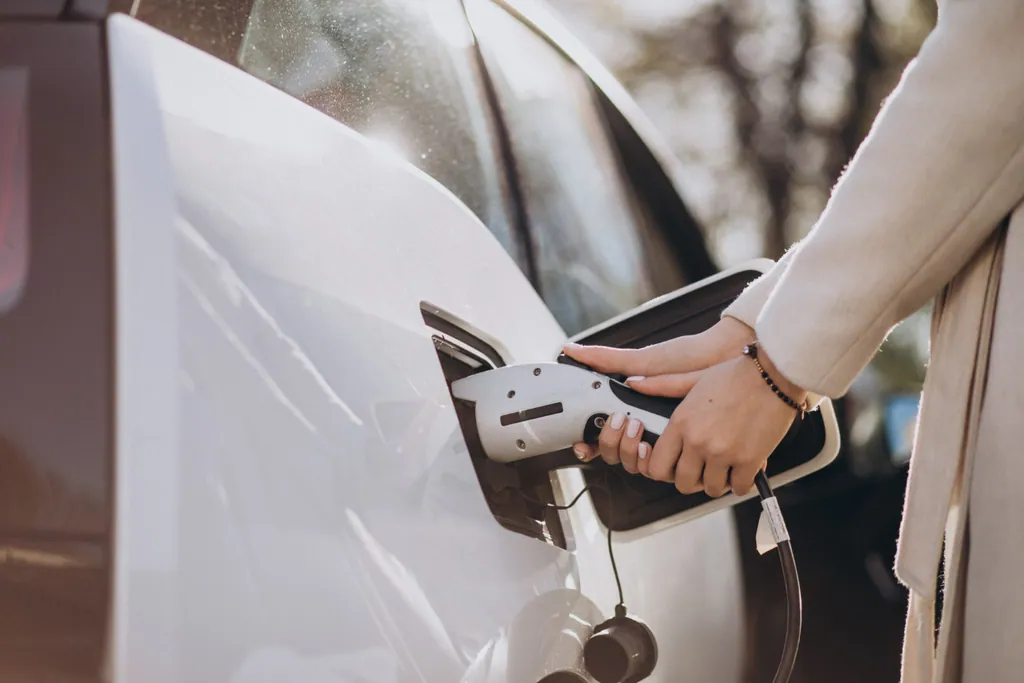
Electric vehicle (EV) adoption is experiencing significant growth around the world, and several factors are driving this advancement. Among them, the increased use of electric mobility in emerging economies, the reduction in battery prices and the growing investment by major automobile manufacturers in the battery supply chain for their future electric vehicles stand out.
> "The electric vehicle battery market is expected to reach a value of $175.11 billion by 2028, at a CAGR of 26% during the forecast period 2021-2028. Increasing adoption of electric vehicles across the globe, declining battery prices and increasing investment by major automotive OEMs to secure the battery supply chain for their future electric vehicles are some of the major factors driving driving the growth of this market. The increasing adoption of electric mobility in emerging economies, increasing investments in the development of lithium-ion battery capacity and the increasing deployment of battery as a service provide significant growth opportunities for market players.
Europe: A rapidly growing region
In this context, Europe is expected to be one of the fastest growing regions in the electric vehicle market due to the growing adoption of electric mobility in the region and the launch of numerous gigafactories. Europe is projected to account for about a third of global electric vehicle battery production capacity by 2030.
Asia-Pacific: leading the adoption of electric vehicles
The Asia-Pacific region leads the adoption of electric vehicles in terms of sales volume and production. China is the largest market for electric vehicles in the region and is also the world leader in the manufacture and sale of electric cars. The Chinese government has implemented favorable policies to drive the adoption of electric vehicles, resulting in rapid expansion of charging infrastructure and greater consumer acceptance.
Japan and South Korea are also major players in the electric vehicle market in the Asia-Pacific region. Companies like Toyota, Nissan, Hyundai and Kia have been leading the charge in the development and production of electric vehicles.
North America: technological advancement and proactive regulationIn North America, the United States is one of the leaders in the adoption of electric vehicles. Companies like Tesla have been pioneers in the development and production of high-end electric vehicles with advanced technology. In addition, traditional automakers such as General Motors, Ford and Chrysler are also increasing their focus on electric vehicles and plan to launch a number of electric models in the coming years.
The US government has also been implementing proactive policies to encourage the adoption of electric vehicles, including tax incentives and investment programs in charging infrastructure.
Latin America: challenges and opportunities
In Latin America, electric vehicle adoption is growing, but still faces significant challenges, such as the lack of adequate charging infrastructure and the relatively high initial cost of electric vehicles.
However, several countries in the region have been implementing policies and programs to encourage the adoption of electric vehicles. For example, Colombia has implemented tax exemptions for electric vehicles and set ambitious goals to increase electric vehicle penetration in the country.
Investments by major automakers
Additionally, major automakers are investing significantly in the development and production of batteries for their electric vehicles. These investments seek to expand operations in the electric vehicle battery market and improve the capacity and efficiency of the batteries used in its vehicles.
Partnerships and collaborations between major automakers and battery OEMs are common to drive EV adoption and improve charging infrastructure.
Trends in battery types
Looking at trends in the types of batteries used in electric vehicles, solid-state batteries are expected to be one of the fastest growing options. These batteries offer higher energy density compared to conventional lithium-ion batteries and have a lower risk of fire, making them safer and more efficient.
Growth in battery capacityOn the other hand, batteries of capacity between 101 kWh and 300 kWh are expected to have the highest growth rate during the forecast period. This is due to its wide application in medium-sized electric vehicles such as light commercial vehicles and utility vehicles. Demand for these vehicles is increasing due to growing awareness of emissions reduction and government initiatives to improve sustainability in public transport and logistics.
Conclusions
In summary, the electric vehicle market is experiencing a boom driven by factors such as digitalization, technological innovation and concerns about environmental sustainability.
Despite the negative impact of the pandemic, the market shows a solid growth outlook, especially in regions such as Europe.
Investments and partnerships between leading automakers and battery manufacturers are a key driver in the development and expansion of the electric vehicle battery market, enabling the transition to cleaner, more sustainable mobility.