
Today, lithium cells have become one of the most important components in the world of technology and energy. Their high energy density, long lifespan and fast charging capabilities have positioned them as a leading choice in a wide range of applications, from electronic devices to electric vehicles.
However, as demand for lithium cells increases, so does the variety of options available on the market. Understanding the differences between them and knowing how to choose the best ones for each case becomes essential.
In this article, we explore lithium cells, their differences, uses, and how to choose the best ones.
Most common lithium cell types
Cells take different physical forms, which determine the structure and design, which in turn affects their electrical and mechanical characteristics of lithium batteries.
The main formats are: cylindrical, sheet or prismatic.
Cylindrical cells
Very similar to home controls, cylindrical cells have exactly the shape of a cylinder. The 18650 cell, with a diameter of 18mm and a height of 65mm, is one of the most common and widely used formats in the battery industry.
Advantages of cylindrical cells
Cylindrical lithium-ion cells offer several advantages, including:
- Durable casing: Cylindrical cells are designed with a durable metal casing, usually made of stainless steel. This casing provides robust protection for the internal components of the cell, making them more durable and able to withstand adverse conditions such as shock, vibration and high temperatures. This is especially important in applications where mechanical strength and additional protection are required.
- Flexibility in cell chemistry: Cylindrical cells allow the option to change the internal chemistry of the cell while maintaining the same containment mechanism. This means manufacturers can adjust the chemical composition of the cell to improve its performance, capacity or safety, without needing to completely redesign the casing or containment system. This provides flexibility and adaptability to different requirements and advances in lithium battery technology.- Wide availability: Cylindrical lithium-ion cells, especially standard formats such as the 18650 cell, are widely available on the market. This makes it easier to access and acquire for use in a variety of applications, from portable electronic devices to electric vehicles. The widespread availability of these cylindrical cells contributes to their popularity and ease of integration into various systems and products.
_Cylindrical cells_
Disadvantages of cylindrical cells.
It is true that cylindrical lithium-ion cells also have some disadvantages. Some of them are listed here:
- Low capacity of individual cells: Cylindrical lithium-ion cells have a relatively low individual capacity compared to other lithium cell formats. For example, the most common cylindrical cells, such as the 18650, reach a maximum capacity of around 3Ah. This can limit the amount of energy stored in each cell and require the use of multiple cells in series or parallel to achieve the desired capacity.
- Assembly by welding: In the construction of battery packs that use cylindrical cells, the individual cells are assembled in series and parallel by welding. This involves a more complex and expensive process compared to other connection methods, such as prismatic cells that can be connected using flexible connectors or laser welding. Additionally, soldering makes it difficult to replace individual cells in the event of failure, as replacement of the entire module is usually required.
- Decreased Pack Safety: The series and parallel nature of many cylindrical cells in a battery pack can result in decreased safety of the system as a whole. If an individual cell fails, it can affect the performance and stability of the entire package. Furthermore, the lack of individual cell replacement can create a greater safety risk, since complete module replacement is required in the event of a cell failure.Most lithium-ion battery assemblers place several cells in parallel to achieve the desired capacity: for example, to achieve a capacity of 200 Ah using 2.5 Ah cells, 80 cells must be placed in parallel, all of these cells connected in parallel.
If one of these short circuits occurs due to an internal problem, it will not only absorb its own energy but must also dissipate all the energy of the 80 cylindrical cells in parallel. This could result in very high heat in the module, with disastrous effects such as a fire.
To avoid this, large manufacturers like Tesla use very sophisticated production processes that allow the cells to be connected in parallel using a type of fuse. If a cell shorts, the "fuse" is blown and the safety of the battery pack is not compromised.
Unfortunately, none of the lithium-ion battery manufacturers on the industrial market have this type of technology. As a consequence of these negative aspects, we avoid this type of cells in NCPOWER.
Laminated cells, what they are and their advantages and disadvantages
Laminated or pouch cells are a type of lithium cell that differs from cylindrical cells in their format and construction. Instead of having a cylindrical metal casing, these cells are composed of a flexible sheet that acts as a container and separator for the internal components.
In laminated cells, the active components, such as the cathode, anode, and electrolyte, are placed between two layers of flexible material, usually laminated polymers such as polyester or polyolefin polymer. These flexible layers seal the components and prevent leaks or unwanted reactions. In turn, additional layers of sealing are used to protect the cell from moisture and external air.
Advantages of bag cells
Laminated or pouch lithium cells offer certain positive aspects in their technology. Some of them are:
- High energy density: Pouch cells have a high energy density, which means they can store a large amount of energy in a relatively small size. This is especially important in applications where long battery life or high power is required, such as in electric vehicles or portable electronic devices.- Low shell cost: Compared to cylindrical cells, pouch cells typically have a lower shell cost. This is because the manufacturing process for pouch cells is less complex and uses less expensive materials compared to the metal casings of cylindrical cells. As a result, pouch cells can offer a more economical solution for energy storage.
- Available capacity range: In the market, there are a variety of bag cells available with different capacities. They range from a few hundred mAh (milliampere-hours) to around 20 Ah, although manufacturers exceeding this threshold are less common. This gives designers and manufacturers a range of options to suit different power requirements and application size.
_Example of bag cells_
Disadvantages of bag cells
Laminated or pouch lithium cells have some negative aspects associated with their fragility and limitations in terms of packaging and capacity.
Some of these aspects are detailed below:
- Fragility of the casing: The casing of pouch cells is more susceptible to damage and breakage compared to cylindrical cells, since it is composed of flexible materials. Even light pressure, such as using a fingernail, can irreversibly damage the case. This can be problematic in environments where the battery is exposed to impacts or adverse conditions.
- Limitations in the packaging system: The packaging of the bag cells requires careful design to avoid any type of stress or deformation in the individual cells. Vibration, crushing or deformation can compromise the integrity of the cells and affect their performance and lifespan. Additionally, due to the flexible nature of pouch cells, it can be difficult, or even impossible, to develop custom modules for specific applications.
- Low-medium capacity: Pouch cells tend to have low-medium capacity compared to other lithium cell formats. This means that multiple cells in parallel would be required to achieve sufficient capacity in industrial applications. However, this may affect the safety of the battery pack and increase the complexity of the charge balancing and management system.- Difficulty in individual cell replacement: Like cylindrical cells, pouch cells are also connected in series or parallel by welding. This makes it virtually impossible to replace an individual cell without having to replace the entire module. This can be costly and result in downtime in the event of a cell failure.
Prismatic cells
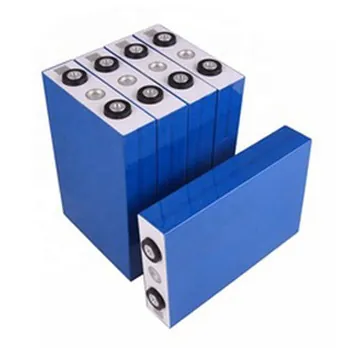
Another common format among lithium battery cells is the prismatic type. They stand out mainly for having a solid casing and soldered terminals.
Advantages of prismatic cells
Prismatic cells offer several important advantages compared to other lithium cell formats. Below are some of these advantages:
- Durable Housing: Prismatic cells have a solid and durable housing, making them suitable for the production of custom battery packs. Their robustness allows them to withstand adverse conditions and minimizes the need for expensive and complicated studies and mechanical stress tests.
- High capacity of individual elements: Prismatic cells can reach high capacities in individual elements, reaching up to 300 Ah in a single cell. This high capacity is especially valuable in creating batteries with large capacities, such as in the industrial market, avoiding the need to use multiple cells in parallel. This not only simplifies design and assembly, but also significantly improves the safety of the entire battery pack.
- Screw Posts: Prismatic cells often have screw posts on their terminals, making them easier to mount and allowing more convenient replacement of elements, even in situ. This reduces maintenance complexity and time in the event of cell failure, as it can be replaced without having to dismantle the entire battery pack.
These advantages make prismatic cells an attractive option for various applications, especially those requiring high capacity and custom mounting. However, it is also important to consider the limitations and challenges associated with this cell format.
Disadvantages of prismatic cells
One of the disadvantages of prismatic lithium cells is that their high energy density may be slightly lower compared to other cell formats, such as cylindrical cells. This is due in part to the type of containment box used in prismatic cells.The solid, rugged casing of prismatic cells, while offering advantages in terms of durability and ease of assembly, can take up additional space compared to cylindrical cells, which can impact the overall battery energy density. This means that a slightly larger volume is required to store the same amount of energy compared to cylindrical cells of similar dimensions.
However, it is important to note that prismatic cells are still capable of providing significant levels of power and capacity, and are widely used in a variety of applications. Choosing the appropriate cell format will depend on the specific needs of the application, considering factors such as required capacity, available space, battery pack design and other technical and performance requirements.
_Example of prismatic cells_
| | Cylindrical | From bag | Binoculars |
| --- | --- | --- | --- |
| Advantages | Durable housingFlexibility in cell chemistryWide availability | High energy densityLow casing costRange of available capacity | Durable housingHigh capacity of individual elementsScrew posts |
| Disadvantages | Low capacity of individual cells Assembly by welding Decreased package security | Fragility of the casingLimitations in the packaging systemMedium-low capacityDifficulty in individual cell replacement | The energy density is slightly lower due to the containment box. Higher battery volume and size |
| Uses | Cylindrical cells are typically used in small (<2kWh) lithium batteries, e.g. electric bicycles, screwdrivers, garden tools, etc.). Only Tesla uses them in the automotive sector | Pouch cells are mainly produced using NMC chemistry and are especially used in high power applications (high voltage and low capacities) or in applications where volume reduction is required, for example electric motorcycles or electric cars. | Prismatic cells are used for lithium batteries in the industrial sector](__NCP_TOKEN_0__) and in the automotive industry](__NCP_TOKEN_1__) to produce medium and large battery packs. [](__NCP_TOKEN_2__) [](__NCP_TOKEN_3__) |
Which are the best for electric vehicles?NCPOWER has chosen prismatic cells for its batteries precisely because of their great advantages. These cells offer a good ratio of energy density to power density, making them suitable for applications requiring high capacities and sustained power delivery.
They allow us to achieve high quality performance in both electric vehicle applications. Learn more about our leading lithium technology](__NCP_TOKEN_4__) in Spain.