
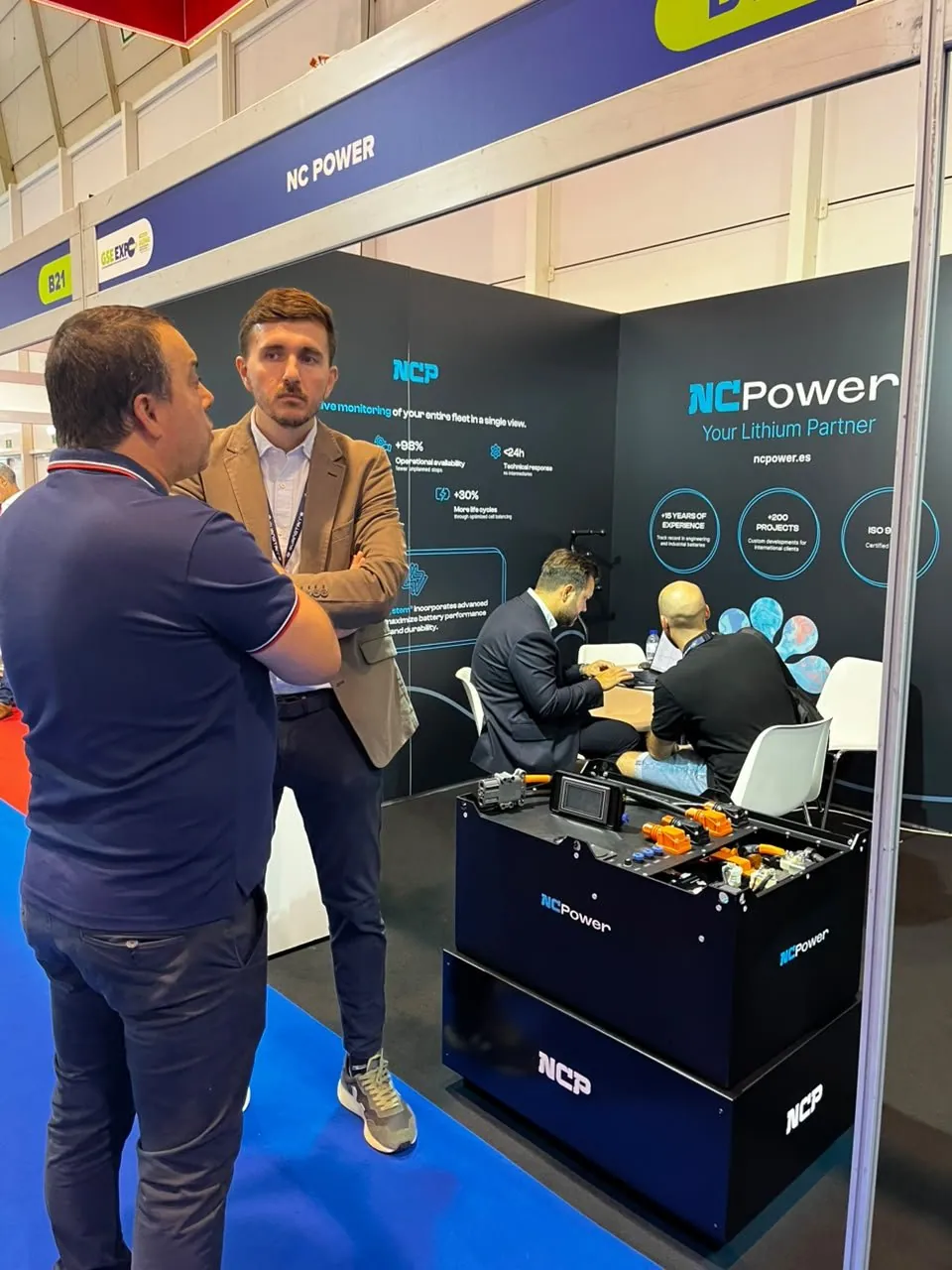
GSE Expo Europe 2026 is the trade show for airport ground support equipment (GSE), and its Lisbon edition left one clear message: GSE is going electric, going autonomous and being managed with data. That's the difference between buying an off-the-shelf battery and one that fits how your equipment really works. We were on stand B19, and almost every conversation ended up in the same place.
Here's what trends we saw, what they mean for batteries and what to ask a supplier, whether you're electrifying a handling fleet or designing new equipment.
GSE Expo Europe 2026, in one sentence
The show confirmed that the GSE of the future is electric, connected and increasingly autonomous, and that no two of those machines are alike.
Why there's no such thing as a standard machine in ground support
We summed it up in our LinkedIn post about the show: in ground support, there's no such thing as a standard machine. The battery compartment changes, the operation changes, the shifts change and the airport's climate changes.
That's why a GSE battery is more like a tailored suit than an off-the-rack size. A baggage tractor in Lisbon, an ambulift in Helsinki and a belt loader in Seville need different measurements: voltage, format, runtime and resistance to the heat or cold of the apron. One size for everyone ends up pinching somewhere.
Trends we saw at GSE Expo Europe 2026
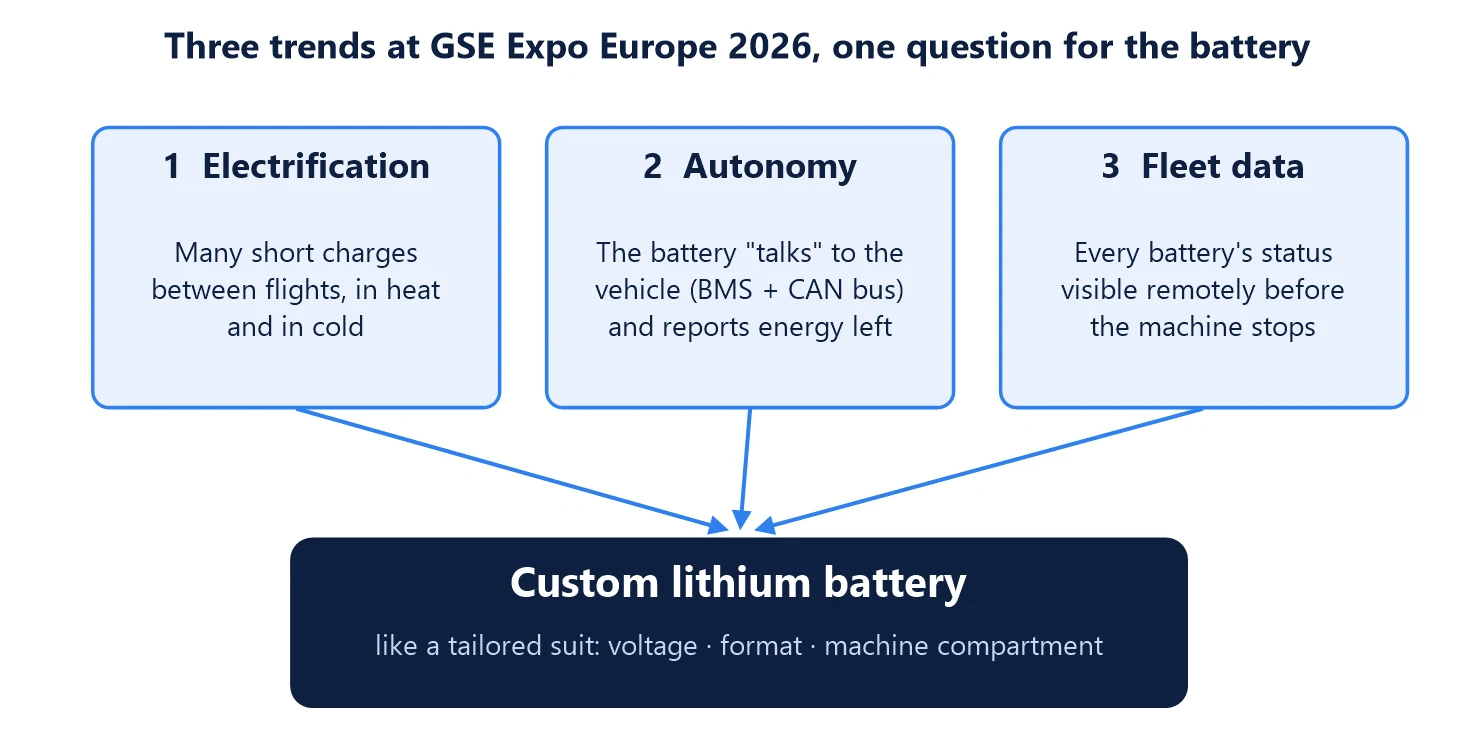
Diagram · The show's three trends and what they ask of the battery.
1. Electrification
Almost every exhibitor showed battery-powered equipment: tractors, ambulifts, apron buses and catering trucks. Several highlighted DC fast charging, designed to top up in the gaps between flights.
For the battery, that means it has to handle many short charges throughout the day, outdoors, in summer heat and early-morning cold. On the cold side, we explain it in detail in our article on lithium battery cold weather charging.
2. Autonomy
There was a zone dedicated to autonomous GSE, with driverless towing tractors and apron operation demos. A machine with no driver can't tell anyone when something's wrong.
That's where the BMS (Battery Management System, the battery's brain) goes from technical detail to key component. It talks to the vehicle over CAN bus, the "language" shared by battery, machine and charger, and tells it how much energy is left and whether there's an alarm.
3. Data and fleet management
There was also a fleet management zone: real-time location and maintenance data to make decisions, not just to know where each machine is. The battery is one of the best sources of that data.
With remote battery monitoring, the maintenance manager can see the status of every machine and spot a problem before it leaves one stranded next to an aircraft.
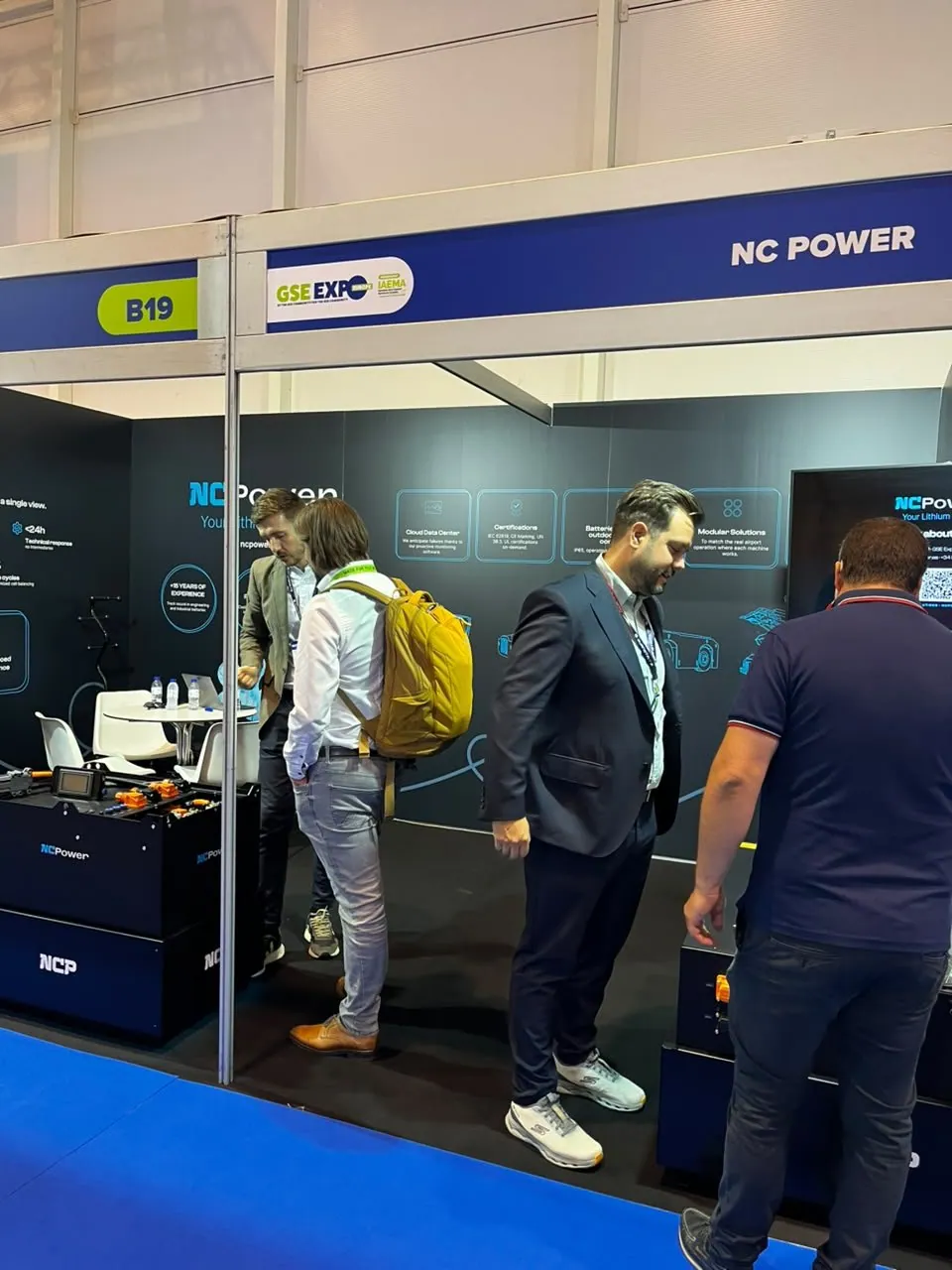
Photo 1 · Conversations on stand B19.
What we heard on stand B19
We talked with ground handlers, equipment manufacturers, distributors and maintenance teams. The conversation almost always ended the same way: every operation is different, and the battery has to be designed for theirs.
That's where we think the value lies: designing the solution around the machine and the customer's real operation, not the other way round. In practice, that means:
- Custom sizing, based on the shifts and flights each machine covers.
- A format that fits the compartment, without forcing the machine to change its design.
- Integration with the chargers and infrastructure the airport already has.
- Data to know what's happening before the machine stops.
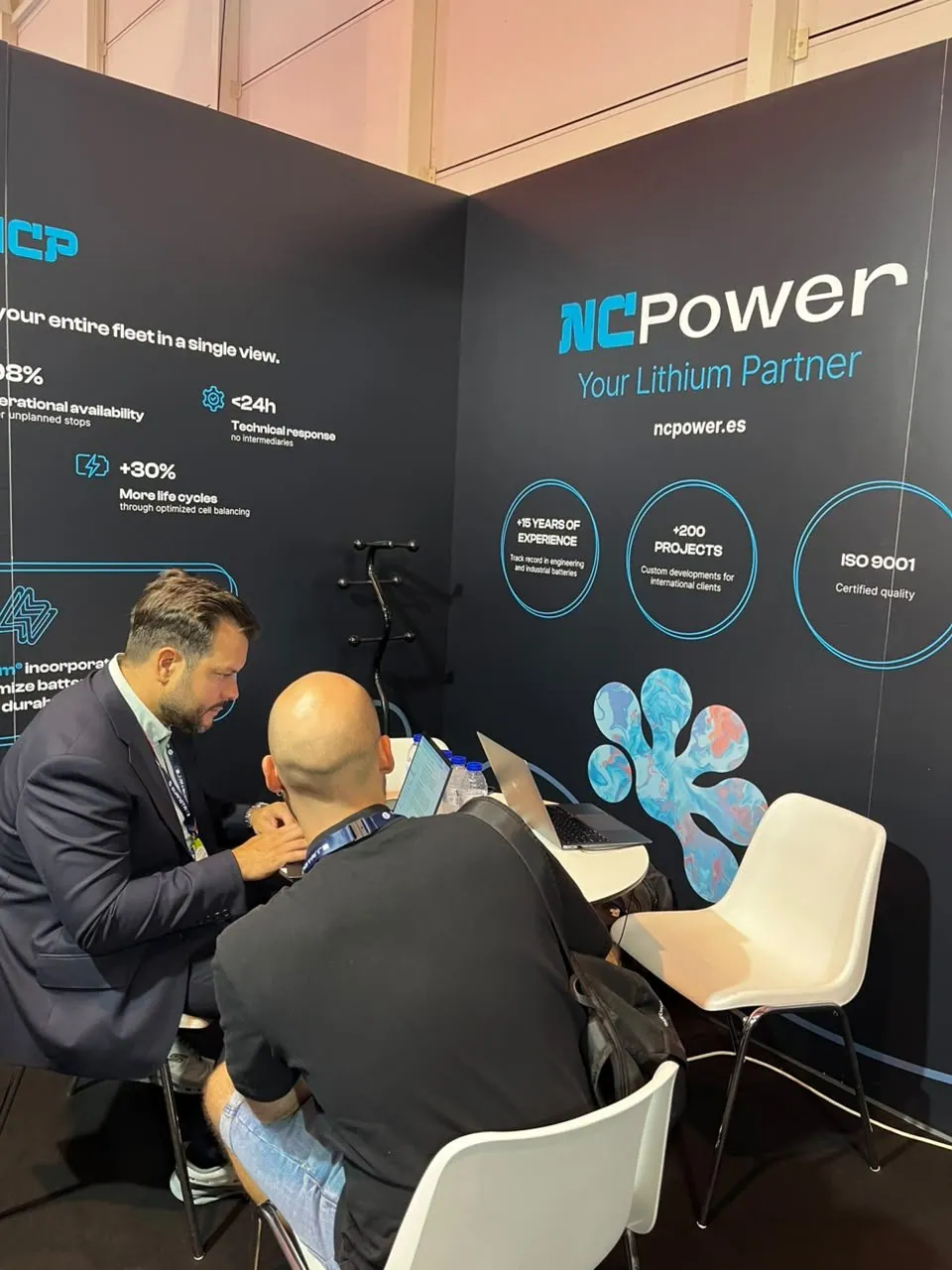
Photo 2 · Going through a case with a visitor, laptop on the table.
What to ask about your GSE battery before you buy
If you're electrifying your fleet or designing new equipment, these questions help you compare suppliers:
- Does it handle short, frequent charges between flights? That's the real pace of an apron.
- How does it cope with heat and cold? GSE works, and often charges, outdoors.
- Does it talk to the vehicle over CAN bus? Essential if the machine is, or will be, autonomous.
- Can I see its data remotely? That's what connects the battery to your fleet management.
- Does it fit the compartment and chargers I already have? That way you don't redesign the machine to make the battery fit.
GSE at NCPower
We design every battery around the machine, like a tailored suit: voltage, format and compartment. We develop our own BMS, which talks to the vehicle and the charger over CAN bus, and our batteries can connect to our remote monitoring platform. It takes 8 weeks from concept to prototype.
You can see how we apply it on our GSE lithium battery page and how we work on custom lithium batteries.
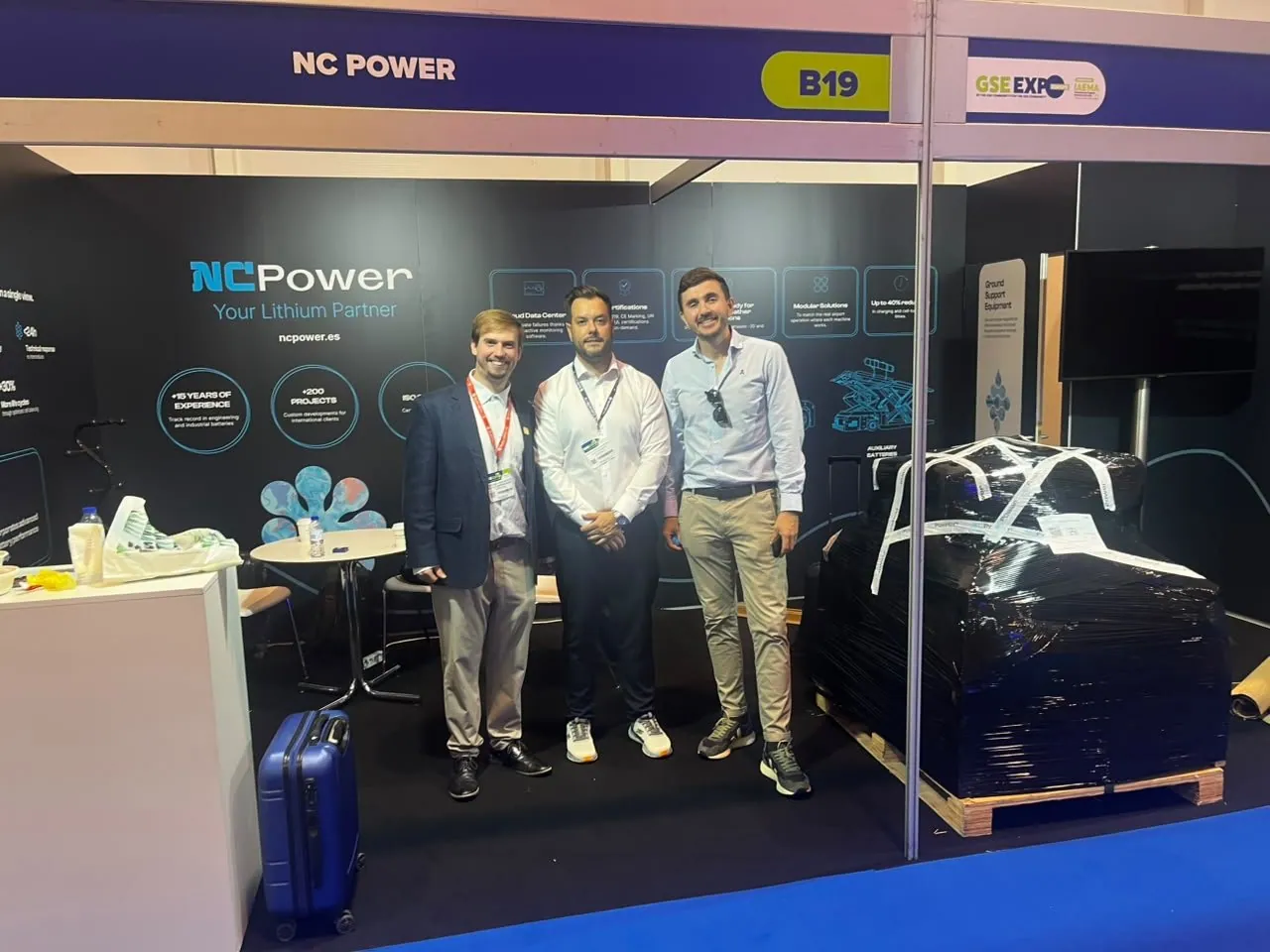
Photo 3 · The NCPower team on stand B19.
Where do we start after GSE Expo Europe 2026?
Thanks to everyone who came by B19. The show left us with lots of open conversations, and we want to keep them going.
Running a GSE fleet? Tell us what equipment you have and how it works, and we'll tell you which battery fits your operation.
Building GSE equipment? Tell us what your next vehicle needs and our engineers will explain how to integrate the battery and its BMS.
You can contact us here. And if we didn't get to meet in Lisbon, see you at the next edition, 26–28 September 2028.