
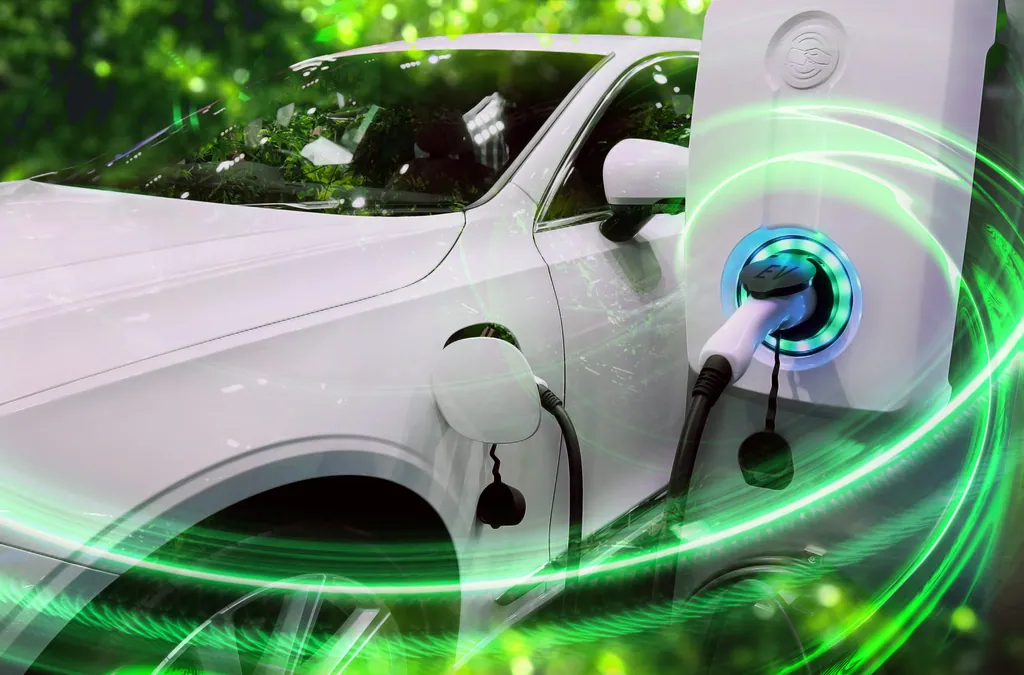
In the era of electric mobility, where vehicles powered by lithium batteries are transforming the automotive landscape, safety and performance are critical factors. In this context, the ECE-R100 approval is very important. This regulation, established by the United Nations Economic Commission for Europe, is not only a technical requirement. It is also a quality seal that ensures compliance with international standards. As demand for electric vehicles grows, understanding the importance and details of ECE-R100 homologation becomes essential for industry players.
In this article, we will explore the foundations of this regulation and its impact on lithium battery manufacturing, highlighting its role in safety, international trade, and the evolution of sustainable mobility.
If you are evaluating electric vehicle approvals, you can also review our solution for light vehicle and the complete technical context in Tech.
Advantages of ECE-R100 approval in lithium batteries
Approval provides a series of benefits ranging from consumer safety and market confidence to the promotion of environmental standards.
These are the main advantages:
- Safety standards guaranteed for approved products.
- Facilitates access to international markets.
- Generates consumer confidence in quality and safety.
- Promotes controlled innovation and technological development.
- Establish consistent rules for fair competition.
- Contributes to the protection of the environment.
- Reduces legal risks for manufacturers.
Safety requirements to obtain approval for R100 electric vehicles
In the second revision of the ECE-R100 regulation, fundamental test requirements for Onboard Energy Storage Systems (RESS) are established, classified as Part II requirements. These requirements are detailed in Section 6 of the regulation, and Annex 8 provides specific information on the test procedures applicable to RESSs.
Vibration
This test is intended to evaluate the safety performance of the Onboard Energy Storage System (RESS) under vibration conditions similar to those you would experience in normal vehicle operations. During the test, the device is subjected to a vibration with a sinusoidal waveform that varies between 7 Hz and 50 Hz. This process is repeated 12 times over a total period of three hours, providing a comprehensive evaluation of the behavior of the RESS under vibrating conditions.### Thermal shock and cycling
The purpose of this evaluation is to determine the resistance of the RESS to sudden changes in temperature, emulating real-world environmental conditions. The device under test is subjected to repeated cycles of storage at 60 oC for at least six hours, followed by six hours at -40 oC. This cycle is repeated five times, and the device is then stored at room temperature for 24 hours, providing a rigorous test of its thermal stability over time.
Mechanical shock
The mechanical crash test is intended to verify the safety performance of the RESS under inertial loads that could occur in vehicular crash conditions. During the test, the device is accelerated or decelerated at specific speeds according to the tables that accompany the regulations, and the actual gravitational force is compared to the values specified in said tables, thus ensuring its ability to resist the forces associated with impacts.
Mechanical integrity
This evaluation seeks to analyze the safety performance of the RESS under contact loads that could be experienced in vehicular crash conditions. During testing, the device is subjected to a specific force while being crushed between a resistance plate and a crush plate. The test is performed with defined parameters of force, onset time and retention time, providing valuable information on the structural integrity of the RESS.
Fire resistant
The purpose of the fire resistance test is to evaluate the ability of the RESS to resist exposure to a fire originating outside the vehicle. The device under test is subjected to direct and indirect exposure to a flame generated by burning commercial fuel. This evaluation determines whether the RESS provides vehicle occupants with sufficient time for a safe escape in the event of an external fire.
External short circuit protection
This test is designed to verify the performance of the device's short circuit protection system. During the test, the device is intentionally shorted by connecting the positive and negative terminals, using a connection with a specific resistance. The short circuit condition is maintained until proper operation of the short circuit protection is confirmed, or for at least one hour after the temperature in the device case has stabilized.
Overload protectionThis evaluation aims to analyze the performance of the device's overload protection system. During the test, the device is charged until it automatically stops or limits charging, or until it is charged to twice its rated capacity. This process provides crucial information about the RESS's ability to handle excessive load situations safely and efficiently.
Overheat protection
This test verifies the device's performance against internal overheating during operation, even in situations where the device's cooling function fails. The RESS is subjected to repeated charge and discharge cycles with a constant current to increase the temperature of the cells. The device is then placed in a convection oven or climate chamber, and the temperature is gradually raised until it reaches a predetermined level.
NCPOWER has ECE-R100 approval
With the prestigious ECE-R100 certification backing our lithium batteries, NCPOWER emerges as a leader in the electric propulsion industry. This international certification not only validates our dedication to the most rigorous standards, but also reflects our commitment to excellence, safety and sustainability.
Approval is not only a seal of quality, but also a badge that reduces legal risks and facilitates strategic alliances with business partners. Consumer confidence is strengthened by knowing that we comply with globally recognized lithium battery safety standards.
As we move forward, each approved battery not only drives our success, but contributes to the development of a safer, more efficient and environmentally friendly industry. At NCPOWER, we are not only setting the pace for innovation, we are also leading the way towards a reliable and sustainable electric mobility future.
If you need to validate homologation requirements, BMS architecture and implementation plan for your project, you can contact our technical team.